
From Mobile to Camera: Learning to See Food Differently
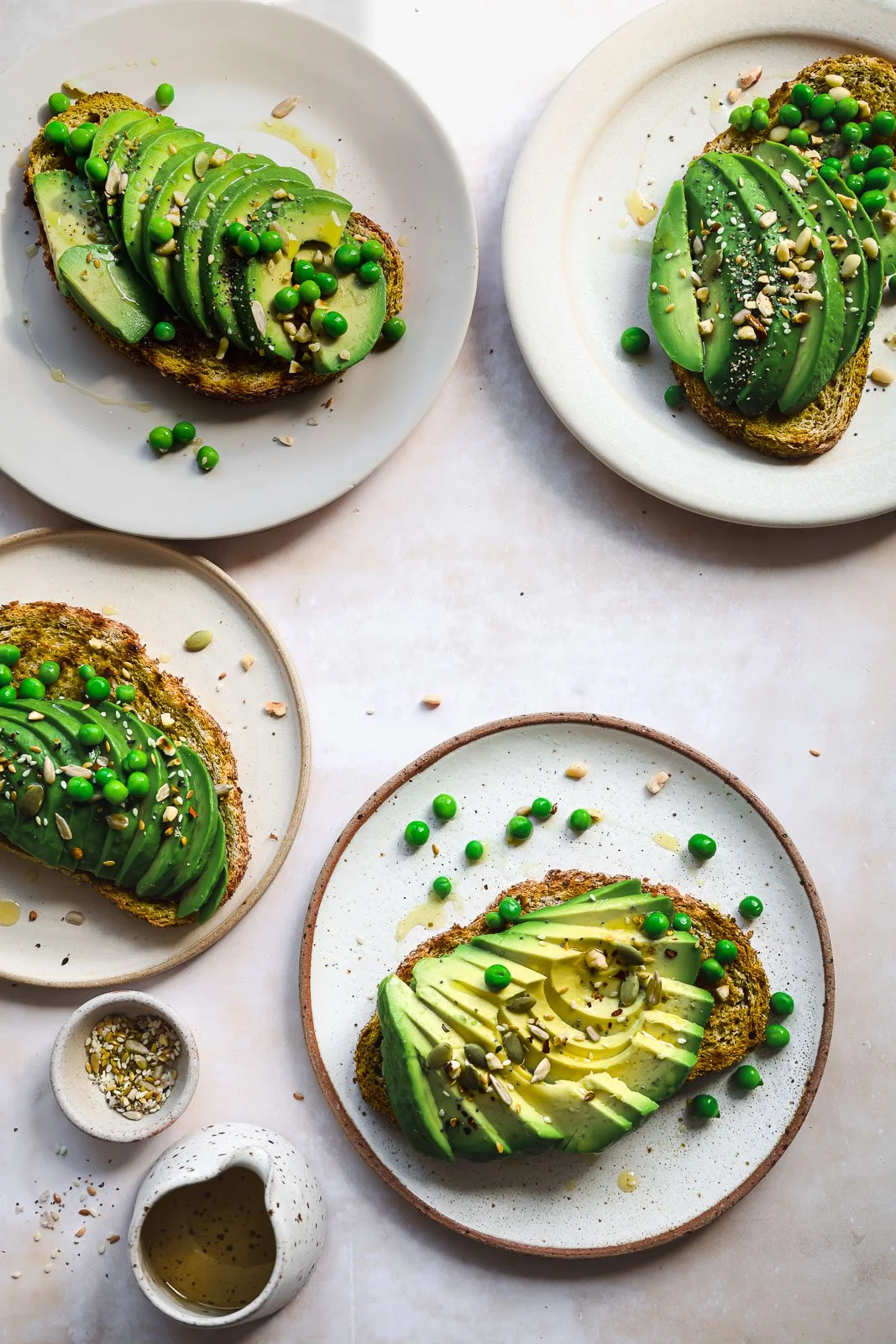
I started photographing my food with my phone while trying to build a healthier relationship with food. At first, the photos were simply a way of logging what I was eating.
I wasn't really thinking about what I was capturing or how the food would look. Slowly, though, I started wanting to take better photographs. I experimented with different angles to find a better view of the dish, and I began styling the plate too — making the food look pretty, delicious and, hopefully, a little drool-worthy.
It was all for pure enjoyment. I was using the regular camera on my phone, and I never expected to enjoy photographing food as much as I did.
Eventually, I started wanting more.
I had learnt how to use some of the more professional controls on my phone, including ISO and shutter speed, and I began to notice where the phone camera was reaching its limits. I wanted more control over light, depth of field, zoom and grain. It felt like it was time to invest in a camera that could fill some of those gaps.
When I first started using a camera, I went straight into manual mode because I wanted to understand the difference between photographing with a phone and a camera.
It meant paying much more attention to aperture and to the light in front of me. I had to think about which setting I needed to adjust to get the photograph I wanted.
And I started to realise just how much more there was to play with: light, depth, focus and different angles.
One thing I didn't expect was how much of a difference aperture could make to a photograph.
The more I photographed, the more I started noticing things I hadn't paid as much attention to before. The colours of the food felt more true to what I was actually seeing, and I had more control over how I wanted the food to appear in the frame.
Then there was editing.
On my phone, I was working with JPEGs. With my camera, I started shooting in RAW, and that gave me so much more to work with when editing. I could make basic adjustments to things like exposure, highlights, shadows and colour, without having to work quite as hard to get the photograph where I wanted it.
That was a bit of an eye-opener.
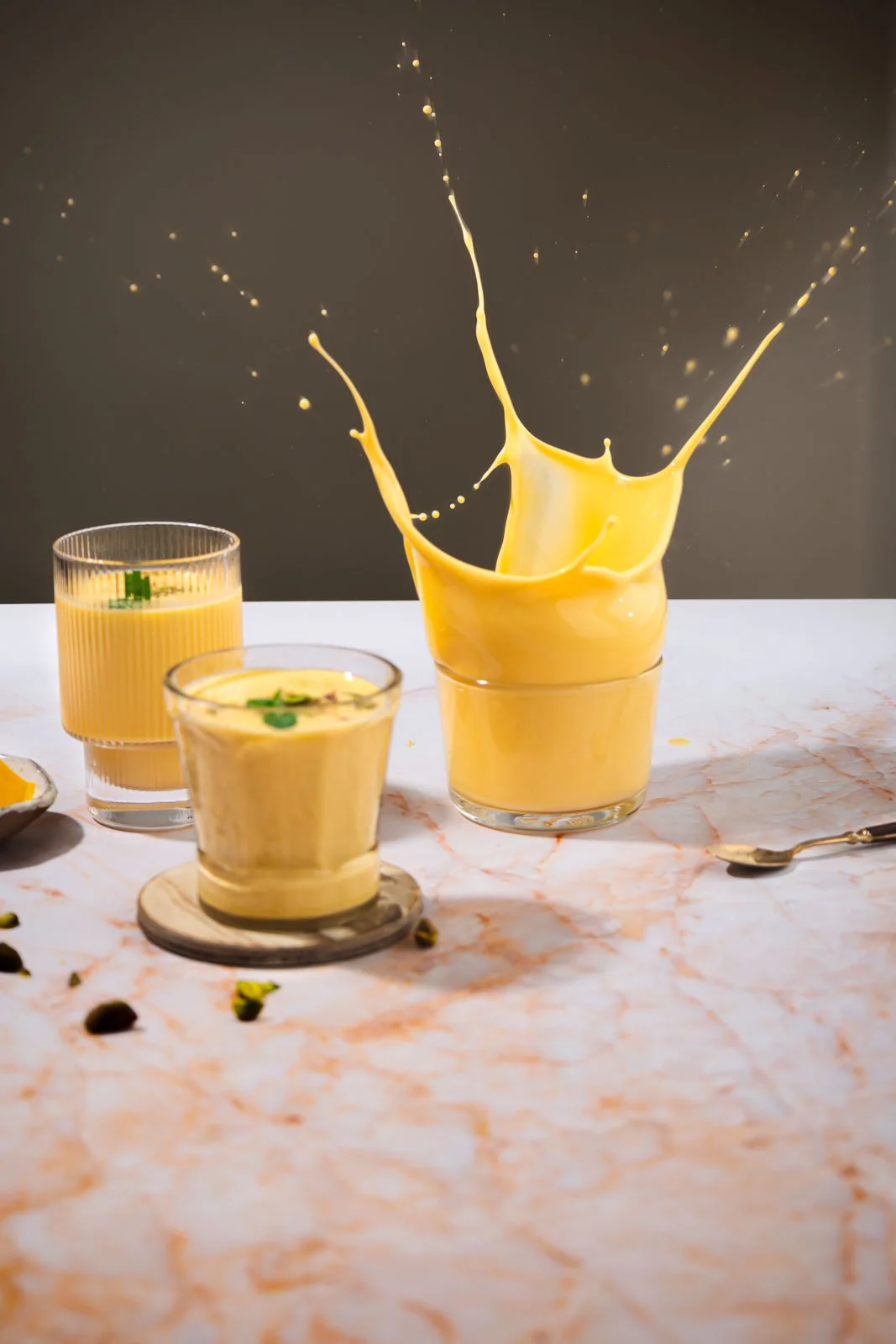
I could spend less time trying to fix the photograph afterwards and more time thinking about capturing the food in the first place.
A lot of what I've learnt has come from reading, watching food photography and, most importantly, taking the time to practise. Photography is one of those things where you really do get better with practice. The more photographs I take, the more I notice small improvements.
I can see the difference when I look back at where I started a few years ago, where I was when I started my blog a year ago, and where I am now.
I'm still learning, but the photographs — and the way I approach taking them — have changed along the way.
Moving from a phone to a camera didn't suddenly make me a better photographer. It gave me more to learn, more to experiment with, and more control over how I capture food.
What started as a simple way to document what I was eating has become another way of looking at food.
I still have a lot to learn. But perhaps that's what I enjoy most — knowing that the next photograph might show me something I hadn't noticed before.
My food. My canvas. My chronicles.
— Mina
